7 Mistakes You’re Making with C-Suite Coaching (and How Emotional Intelligence Fixes Them)
![[HERO] 7 Mistakes You’re Making with C-Suite Coaching (and How Emotional Intelligence Fixes Them)](https://cdn.marblism.com/rOUiOQSkANx.webp)
High-stakes leadership is a solitary endeavor. When an executive sits in the seat of power, they are often surrounded by people who reflect back exactly what they want to see. This creates a dangerous "Interpretation Gap." In the silence of the C-suite, fear often fills the void where clarity should reside. Many organizations attempt to bridge this gap through executive leadership coaching, yet most programs fail to produce lasting change. They offer a "World’s Best Boss" coffee cup to a leader who lacks the internal palate to taste the bitterness of their own dysfunction.
To lead others, one must first master the interior landscape. At Becoming More Counseling, Coaching, & Consulting, we recognize that internal change must precede external change. If you are investing in leadership development coaching and seeing zero ROI, you are likely falling into these seven strategic traps.
1. Treating the Executive Like a Problem to Fix
Most coaching engagements begin with a list of "performance gaps." You focus on fixing behaviors without understanding the person behind them. When a leader feels evaluated rather than understood, they retreat into a "polished" persona. They provide the right Information while hiding their true Interpretation of the pressure they face.
In Chapter 4 of I³ for Leaders, Dr. Greg Stewart emphasizes that "if a leader lacks a personal mission, they are simply machines managing other machines." Coaching should not be a mechanical repair. It is a technical engineering of the human soul. Emotional intelligence (EI) fixes this by starting with curiosity. We must understand the executive as a human navigating immense pressure. Only then can we move beyond the superficial.
2. Ignoring the "Inner Game" of Interior Mastery
Traditional coaching focuses on the "Outer Game": strategy, execution, and board relations. This is a mistake. Behavior does not change until the underlying wiring changes. You can give a leader a new playbook, but if their "internal operating system" is glitched by unrecognized triggers and ego-defenses, the playbook is useless. Maxwell’s "The Law of the Lid" says it plainly: "Leadership ability determines a person's level of effectiveness." (Maxwell, J. C., The 21 Irrefutable Laws of Leadership). If the inner lid remains low, external tactics simply hit the ceiling faster.
Emotional intelligence brings self-awareness to the center of the intervention. Leaders must identify the narratives they tell themselves when facing a crisis. This is the "Becoming More Quotient." We help leaders see how their assumptions shape their decisions. Without Interior Mastery, strategic insight is merely a temporary mask.
3. The Advisor Trap vs. The Thought Partner
Many coaches act as high-priced advisors, offering frameworks and answers. This creates a dependency that stunts the leader’s growth. It turns the coach into a "hotline" and the leader into a machine. Real executive leadership coaching requires the coach to be a thought partner who builds the leader’s judgment. As John Maxwell put it, "Leadership is influence—nothing more, nothing less." (Maxwell, J. C., The 21 Irrefutable Laws of Leadership). Influence is not built by rescuing executives from every hard moment. It is built by strengthening their capacity to think, decide, and lead under pressure. That distinction matters. Forbes Coaches Council’s "Coaching Versus Rescuing: The Leadership Trap" makes the same point: leaders who keep supplying answers may solve the immediate issue, but they weaken long-term capability. Coaching, properly done, builds judgment instead of dependency.
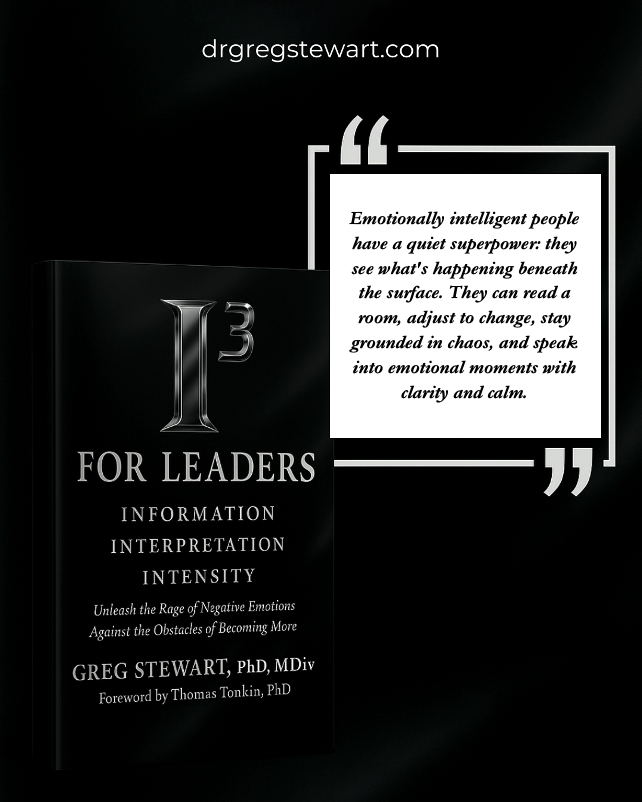
Using the I³ Framework: Information, Interpretation, and Intensity: we shift the focus from telling to asking. We help the leader process Information, audit their Interpretation for bias, and calibrate their Intensity to match the situation. This is the essence of The Panama Canal Method: Your 3-Step Guide to Mastering Executive Presence and Emotional Calibration. We build independent, reflective leaders who can navigate the locks of organizational pressure with precision. You can explore it here: https://www.becomingmore.com/resources/panama-canal-method.
4. Avoiding the Refining Fire of Truth
In the pursuit of rapport, many coaches stay in the "safe zone." They talk about productivity and time management while avoiding the "Refining Fire" of confronting toxic patterns or ego-driven blind spots. This cowardice erodes credibility. Harvard Business Review’s "What Can Coaching Do for You?" by Diane Coutu and Carol Kauffman also underscores an essential boundary: coaching is designed to improve performance, judgment, and professional effectiveness, not to drift into therapy without clarity or competence. Sophisticated coaching requires discernment. It must challenge the leader while respecting the line between executive development and clinical care.
Leadership is defined not by the best of times, but the worst of times. A high-EI coach has the courage to deliver hard truths with professional polish. We use evidence-based feedback to show how a leader’s Intensity may be crushing their team’s ability to innovate. We separate the person from the behavior, allowing the leader to "unleash the rage of their negative emotions against the obstacle of becoming more" rather than against their staff.

5. Ignoring the Emotional Fragrance of the Climate
A leader does not operate in a vacuum. A common mistake in leadership development coaching is failing to examine how others experience the executive. You can coach a leader to be more "efficient," but if the fragrance they leave in the room is one of fear or condescension, the organization will eventually rot.
At Becoming More, we teach situational awareness as a technical requirement. Leaders must learn to read the room: scanning body language, sensing the emotional tone, and noticing the silence. This is the sensory disruption protocol mentioned in our "Classic Excellence" culture. A leader must be as calibrated as a master chef, able to distinguish the subtle notes of morale and dissent within their ranks.
6. Prioritizing Dopamine Hits Over Discipline
We live in a culture that craves the quick fix. Many coaching programs aim for "fast wins": a new calendar system or a delegation hack. These provide a temporary dopamine hit but result in zero identity-level change. Six months later, under the weight of a quarterly miss, the leader regresses to their old, defensive self. MIT Sloan Management Review has made a parallel case in its research on C-suite hiring and executive missteps: organizations often overvalue instinct, likability, and surface-level impressions while undervaluing the disciplined assessment that predicts durable leadership performance. Coaching can make the same mistake when it rewards polish over pattern change.
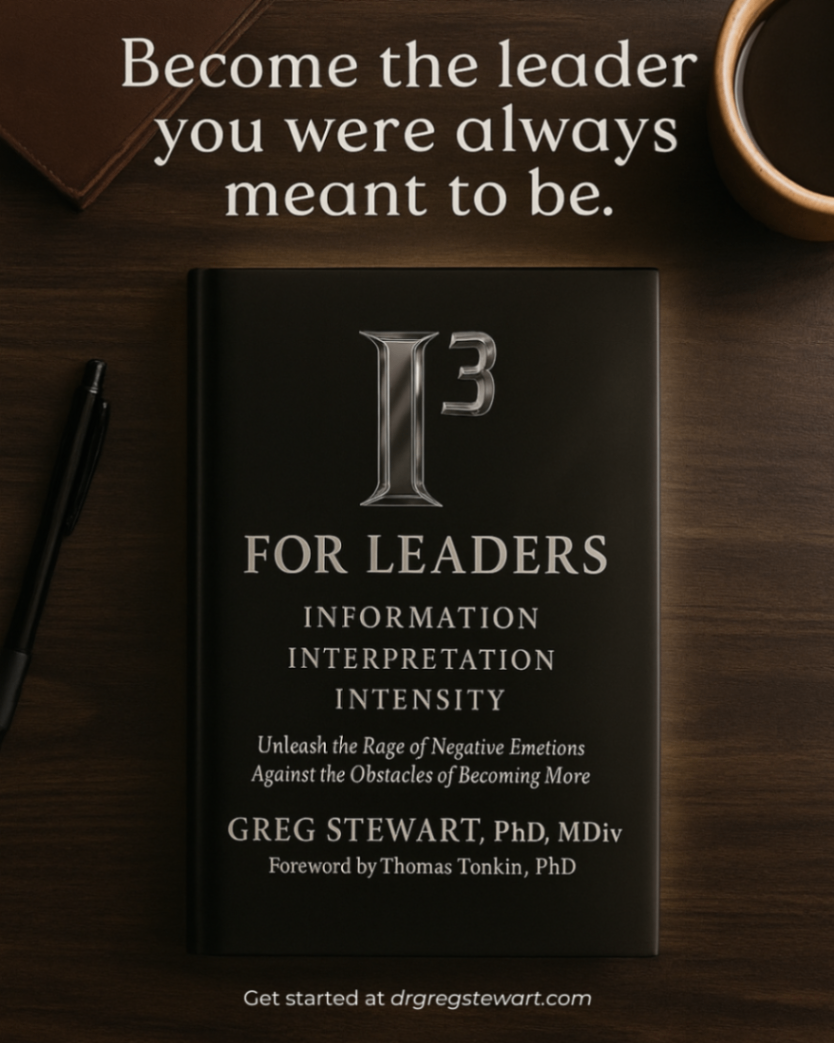
Duty and Discipline must come before Dopamine. Lasting change requires identity work. In Chapter 5 of I³ for Leaders, we explore the "Technical Engineering" of personality. We look at how a leader can move from the "basement" of their personality type to a position of conscious choice. We don't just upgrade tactics; we upgrade the leader’s identity under pressure. This is the "Iron Man Core" of leadership development. Or, in Maxwell’s language from Developing the Leader Within You 2.0, "The greatest mistake is to think you have arrived."
7. Forgetting the Coach’s Own Emotional Calibration
The final mistake is the coach’s failure to maintain their own emotional intelligence. A coach who is intimidated by power or flattered by status becomes part of the problem. They lose the ability to see the Interpretation Gap because they are caught in it themselves.
At Becoming More, our coaches practice ongoing self-regulation. We use our own emotional responses as data points. If a coach feels "small" in the room, it is a signal of how the leader’s Intensity is impacting the entire organization. We model the very presence and emotional steadiness we demand from our clients. Everyone becomes what they want to, only some people think about becoming more.
The Strategic Path Forward
Executive leadership coaching is not a luxury; it is a technical necessity for those who wish to scale nationally and maintain excellence. The mistakes listed above are common, but they are avoidable. By integrating the I³ Framework and prioritizing Emotional Intelligence, you turn a soft skill into a hard-edged competitive advantage.
Stop filling the silence of the C-suite with fear. Bridge the Interpretation Gap with a coach who understands the technical requirements of the human soul.
Ready to calibrate your leadership presence?
- Book a Consult Call. Speak directly with our team to see how we can transform your executive team. Call 469-485-0387.
- Explore our specialized services. Visit https://www.becomingmore.com/executive-coaching to learn about our high-end consulting approach.
- Read the book. Secure your copy of I³ for Leaders to dive deep into Interior Mastery.
Leadership is a discipline. It requires the courage to face the Refining Fire and the wisdom to become more.
Call 469-485-0387 today to start your journey toward Classic Excellence.
Becoming More White Papers
- The Panama Canal Method: Your 3-Step Guide to Mastering Executive Presence and Emotional Calibration
References
- Maxwell, J. C. (1998). The 21 Irrefutable Laws of Leadership: Follow Them and People Will Follow You. Thomas Nelson.
- Maxwell, J. C. (2018). Developing the Leader Within You 2.0. HarperCollins Leadership.
- Coutu, D., & Kauffman, C. (2009). What Can Coaching Do for You? Harvard Business Review.
- Forbes Coaches Council. (2021). Coaching Versus Rescuing: The Leadership Trap. Forbes.com.
- Groysberg, B., & Slind, M. (2012). C-Suite Hiring: Seven Mistakes Companies Still Make. MIT Sloan Management Review.
- Stewart, G. (2024). I³ for Leaders: Information, Interpretation, Intensity. Becoming More Publishing.