The CEO's 'Last Ditch' Effort: Using the I³ Framework to Save (or Exit) High-Performance Problem Leaders
![[HERO] The CEO's 'Last Ditch' Effort: Using the I³ Framework to Save (or Exit) High-Performance Problem Leaders](https://cdn.marblism.com/E_Qozreax77.webp)
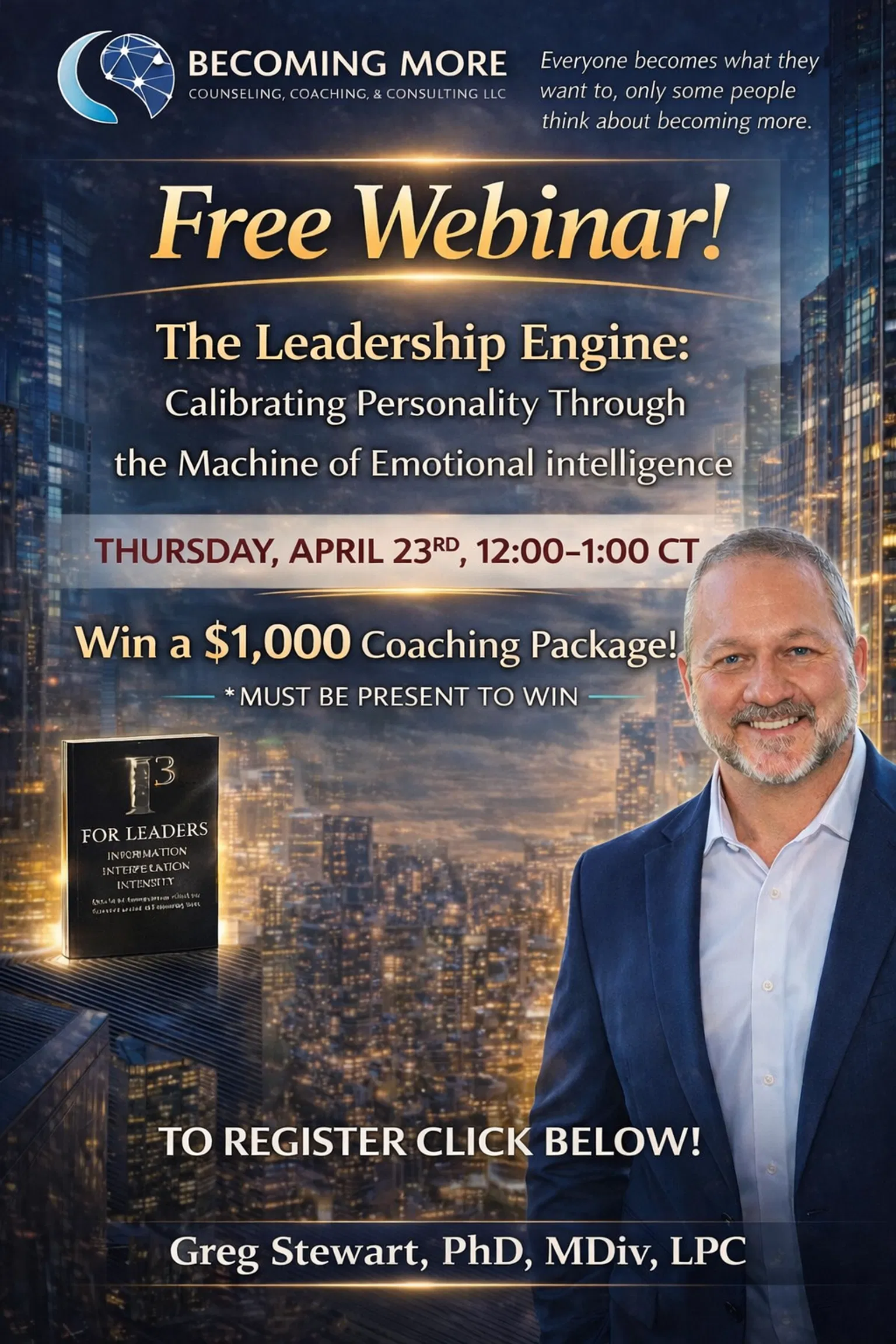
Free Webinar! April 23rd, 12:00-1:00 CT with a chance to win a $1,000 coaching package!
The boardroom at your Frisco headquarters is silent. The air carries the faint, sophisticated scent of sandalwood and polished mahogany. Across the table sits your top producer. This individual brings in thirty percent of your annual revenue. They are brilliant, tireless, and strategically unmatched. They are also currently the greatest threat to your organization.
You have received three resignation letters from mid-level managers in the last week. The common denominator is sitting right in front of you. This is the classic "Brilliant Jerk" dilemma. As a CEO or HR leader, you are faced with a choice that feels like a lose-lose scenario. You can keep the revenue and watch your culture bleed out, or you can cut the cancer and risk a fiscal nosedive.
At Becoming More Counseling, Coaching, & Consulting, we believe leadership is defined not by the best of times, but the worst of times. The situation you are facing is not a performance crisis. It is an emotional intelligence crisis. To resolve it, you must move beyond standard disciplinary tracks and enter the Relational Repair Shop. This requires the I³ Framework: Information, Interpretation, and Intensity.
The Myth of the Untouchable High Performer
Many CEOs hesitate because they fear the vacuum left by a high performer. They prioritize the dopamine hit of quarterly results over the duty and discipline of cultural integrity. This is a strategic error. A leader who produces results at the cost of the team’s psychological safety is not an asset. They are an expensive liability.
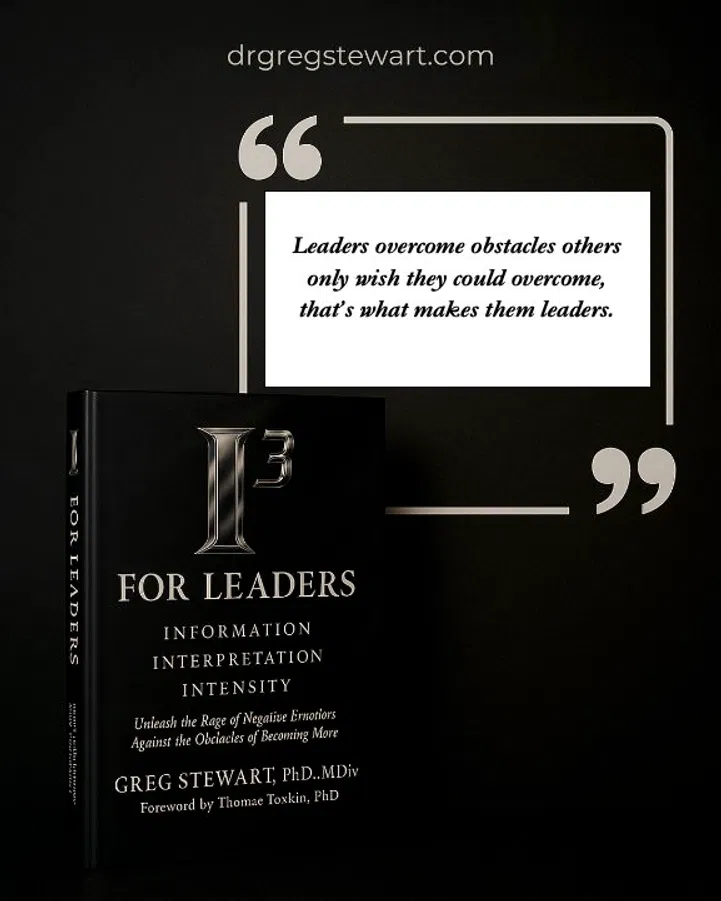
Internal change must precede external change. If this leader refuses to look in the mirror, they cannot lead others effectively. As Dr. Greg Stewart notes in his book, "Everyone becomes what they want to, only some people think about becoming more." Your high-performance problem leader has become successful, but they have stopped becoming more. They have hit a ceiling of their own temperament.
Step 1: Information – The Objective Data of Relational Damage
The first pillar of the I³ Framework is Information. In a corporate environment, especially within the high-stakes corridors of the Silicon Prairie, leaders often drown in data but starve for information.
Information is the raw, unfiltered reality of the situation. It is not just the sales numbers. It is the turnover rate in their department. It is the tone of the emails they send at 11:00 PM. It is the "shadow" they cast over the office. When we bring a leader into our executive coaching process, we begin by gathering objective information.
We look at the sensory anchors of their environment. Details matter. Are they maintaining the professional standards of the firm? Do they command a room with polished authority, or do they dominate it with fear? We observe the environment. A high-standard office should reflect discipline. If your leader has become sloppy in their relational Information, they have become sloppy in their leadership.
Step 2: Interpretation – The Narrative Gap
The second pillar is Interpretation. This is where most "last ditch" efforts fail. The CEO sees a leader who is being a bully; the leader sees themselves as the only one who cares about excellence.
Interpretation is the story we tell ourselves about the Information we receive. Your problem leader likely interprets their aggression as "passion" and their toxicity as "high standards." They are stuck in a cognitive loop where they are the hero and everyone else is an obstacle.
To save this leader, we must challenge their Interpretation. We use the "Executive Mirror" to show them how their behavior is being perceived by the Board and their subordinates. If they cannot bridge the gap between their intent and their impact, they are uncoachable. We teach leaders to unleash the rage of their negative emotions against the obstacle of becoming more, rather than unleashing it against their colleagues.
Step 3: Intensity – Calibrating the Emotional Thermostat
The final pillar is Intensity. This is the volume control of leadership. A high performer often operates at a ten at all times. They bring the same level of intensity to a minor clerical error as they do to a multi-million dollar merger.
Intensity is about calibration. It is the "Iron Man Core" of emotional intelligence. A leader must have the discipline to regulate their emotional output. When Intensity is mismanaged, it creates a culture of burnout and resentment.
In our Relational Repair Shop, we teach leaders the "Intensity Thermostat." They learn that negative emotions are not the enemy; they are growth opportunities. However, those emotions must be channeled through the I³ Framework. If a leader cannot lower their Intensity to match the needs of the situation, they will eventually burn the house down.
The Save or Exit Decision
How do you know if the I³ Framework is working? The answer lies in the leader’s willingness to embrace "Duty and Discipline before Dopamine."
If the leader engages with the coaching, acknowledges the Interpretation gap, and begins to calibrate their Intensity, they are worth saving. This transformation often results in a leader who is not only a high performer but a cultural anchor. They become the "Becoming More" success story.
However, if the leader remains defensive: if they insist that their results excuse their behavior: you must move to an exit strategy. No amount of revenue justifies the destruction of your leadership culture.
Leadership coaching for managers is not just about making people feel better. It is about strategic alignment. If you are struggling with a leader who is currently "unmanageable," it is time to bring in an external perspective that understands the weight of your position.
Transition to The Leadership Engine
Managing high-performance problem leaders requires more than just a conversation. It requires a system. This is why we are hosting a specialized session to dive deeper into these dynamics.
If you are ready to stop managing crises and start leading with precision, join us for our upcoming webinar: 'The Leadership Engine: Calibrating Personality Through the Machine of Emotional Intelligence.'
Date: Thursday, April 23rd
Time: 12:00–1:00 CT
Link: Register for the Leadership Engine Webinar
During this hour, Dr. Greg Stewart will break down how to use the I³ Framework to calibrate your team and ensure your "Leadership Engine" is running on high-octane emotional intelligence rather than empty ego. One lucky attendee will win a $1,000 coaching package to jumpstart their own journey of becoming more.
Internal change precedes external change. You cannot change your culture until you change the way your leaders process Information, Interpretation, and Intensity.
This is the moment for a serious, structured last ditch effort. If you are trying to save a high-performing but relationally toxic leader before the damage becomes irreversible, equip yourself with the right tools. Download The Panama Canal Method: Your 3-Step Guide to Mastering Executive Presence and Emotional Calibration and register for the upcoming Leadership Engine webinar on Thursday, April 23rd, 12:00–1:00 CT at www.drgregstewart.com. These resources are designed to help you assess whether this leader can be recalibrated, repaired, and restored, or whether it is time to exit with clarity and conviction.
For a direct consultation regarding a specific leadership challenge, Call 469-485-0387.