The HR Last-Ditch Effort: Turning Around Toxic Leadership Before It Breaks Your Culture
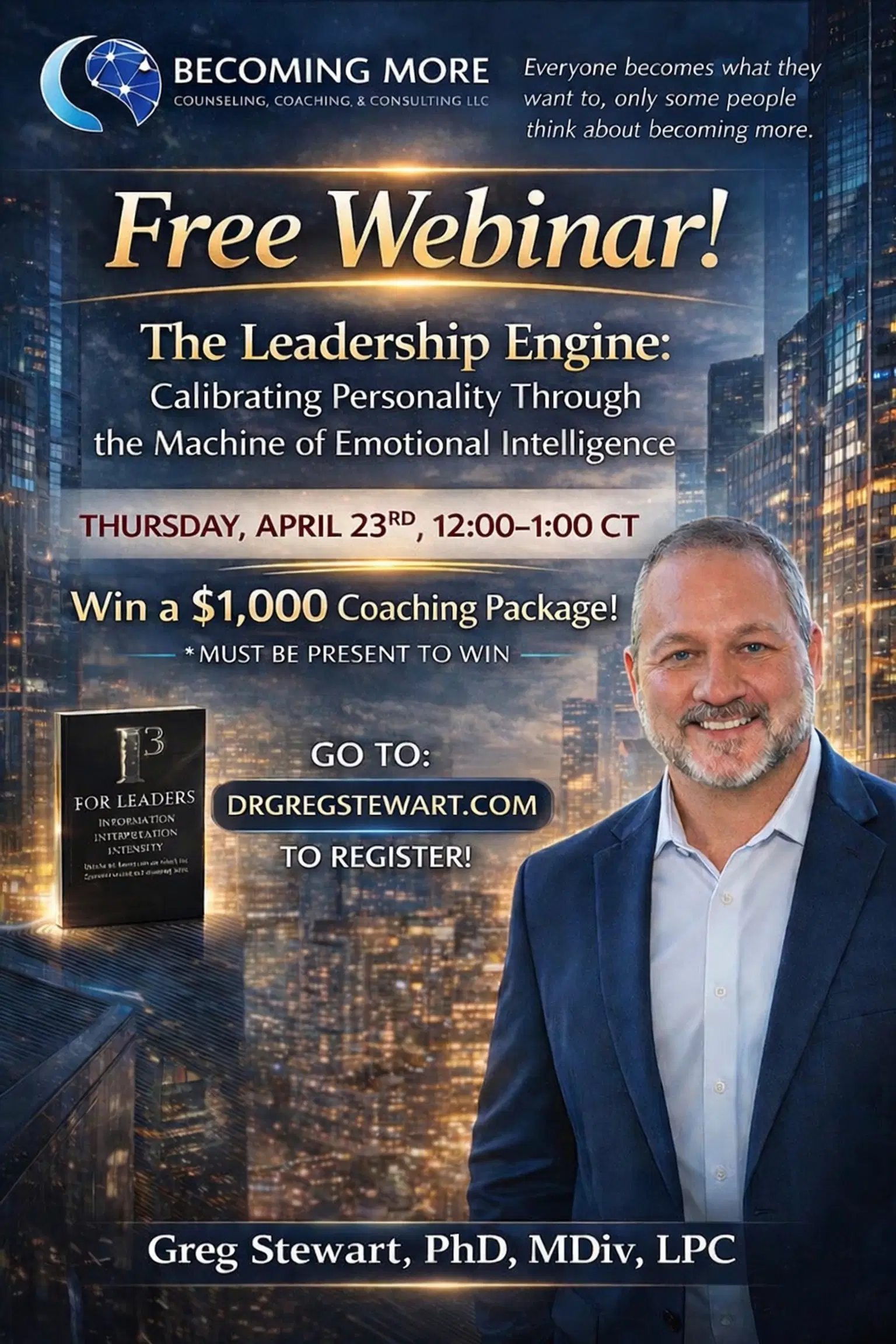
Free Webinar! April 23rd, 12:00-1:00 CT with a chance to win a $1,000 coaching package!
![[HERO] The HR Last-Ditch Effort: Turning Around Toxic Leadership Before It Breaks Your Culture](https://cdn.marblism.com/iV_xUDLmtrb.webp)
Human Resource leaders in 2026 often find themselves operating less as strategic partners and more as high-stakes referees. You spend your mornings mediating disputes and your afternoons documenting the wake of destruction left by a "brilliant jerk." These individuals are often high performers: the surgeons who bring in the most revenue, the developers in the Silicon Prairie who hold the keys to the proprietary code, or the executives who hit every KPI while simultaneously demoralizing their entire department.
When the internal interventions fail and the "policing" of relationships becomes a full-time job, you have reached the last-ditch effort. This is the moment where the cost of keeping the leader starts to outweigh their technical value. However, termination is not the only exit. There is a "Relational Repair Shop" where these high-stakes leaders are recalibrated to become assets rather than liabilities.
The Refiner's Fire: When Proximity Hinders Progress
Internal HR teams face a unique challenge when dealing with toxic leadership: proximity. You are part of the system the leader is currently disrupting. Your feedback, no matter how objective, is often interpreted through the lens of corporate politics. To a leader struggling with emotional regulation, HR often looks like an obstacle to their "results-at-all-costs" mentality.
Dr. Greg Stewart operates outside that system. As an executive coach and consultant, he enters the environment as a neutral third party who specializes in the "Refiner’s Fire." This process is not about soft skills or hand-holding. It is about a rigorous, technical recalibration of the leader’s internal machinery.
At Becoming More Counseling, Coaching, & Consulting, we believe that leadership is defined not by the best of times, but the worst of times. If a leader can only lead when everyone is in agreement, they are not leading; they are merely presiding. True leadership emerges when the pressure is at its peak and the relational stakes are highest.
The I³ Framework: The Technical Solution to Toxic Behavior
Toxic leadership is rarely a lack of intelligence. More often, it is a failure of calibration. We address this through the I³ Framework: Information, Interpretation, and Intensity.
- Information: This is the raw data entering the leader’s awareness. It is the email from the board, the missed deadline from a subordinate, or the fluctuating market data in the Frisco tech corridor.
- Interpretation: This is the story the leader tells themselves about the information. A missed deadline is interpreted as "disrespect" or "incompetence" rather than a resource bottleneck. This is where the toxicity begins.
- Intensity: This is the emotional volume of the response. A toxic leader applies a level 10 emotional response to a level 2 problem.
Most coaching focuses on the "behavior," which is merely the output. We focus on the interpretation and the intensity. We teach leaders to master their executive presence by adjusting the internal dial before they ever open their mouths.
The Panama Canal Metaphor: Calibrating the Water Levels
To visualize this calibration, we use the Panama Canal Method. Imagine the leader’s emotional state as the water level in the canal locks. For a ship (a project or a team) to pass safely from one side to the other, the water levels must be perfectly aligned. If the intensity is too high, the ship crashes against the gates. If it is too low, the ship bottoms out.
In the high-pressure environments of DFW’s hospitality and healthcare industries, we see leaders who leave the gates open. Their intensity floods the room, drowning the creativity and psychological safety of their teams.
Lock 1: Information Filtering. We train leaders to distinguish between noise and signal. Lock 2: Interpretation Alignment. We challenge the internal narrative. Is the subordinate lazy, or is the process broken? Lock 3: Intensity Disruption. This is the sensory lock.
In Lock 3, we utilize performance psychology and sensory anchors to disrupt the "rage" cycle. This might involve the subtle use of a specific fragrance in the office or a strictly enforced professional environment. HR can help leaders establish that standard by reinforcing disciplined routines, reducing sensory chaos, and shaping environments that support steadiness under pressure. When the environment is calibrated, the leader finds it easier to calibrate their internal state.

Unleashing Negative Emotions for Growth
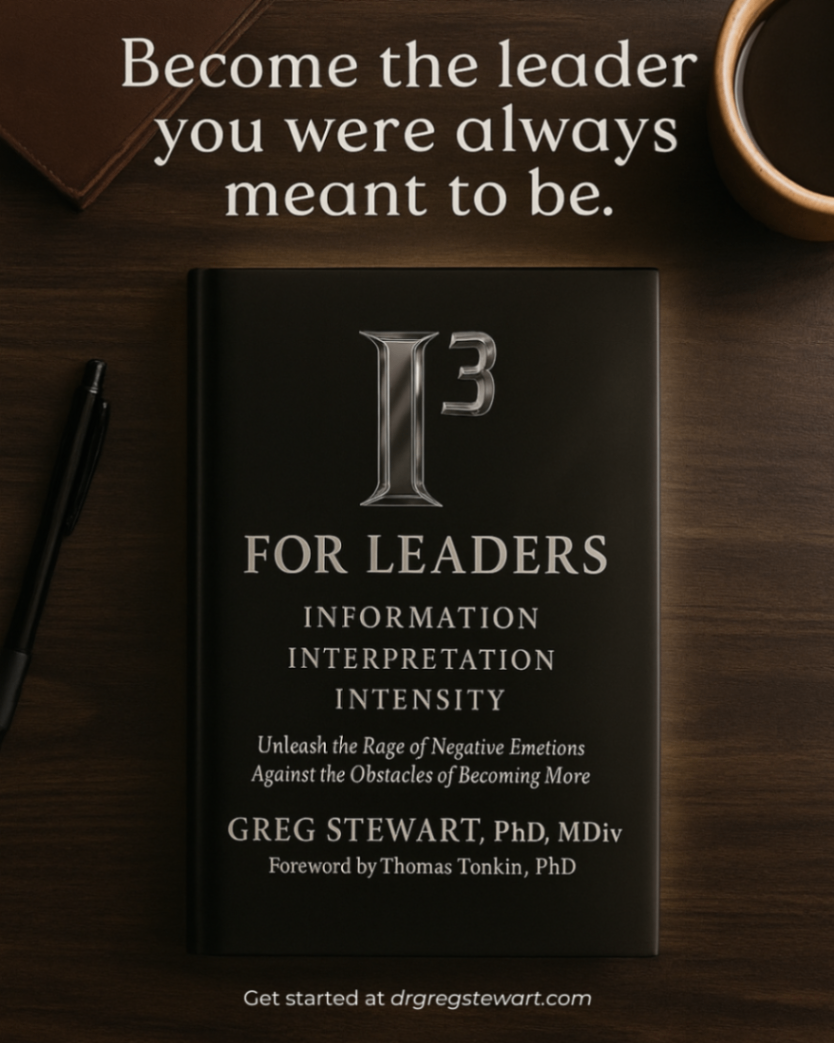
It may sound counterintuitive, but the goal is not to eliminate negative emotions. A leader without an edge is a leader who cannot drive results. As Dr. Greg writes in his book, you must unleash the rage of your negative emotions against the obstacle of becoming more.
The toxic leader is currently unleashing their rage against their team. Our job is to pivot that intensity. We redirect that energy toward the internal obstacles: the ego, the lack of discipline, and the poor interpretation habits: that prevent them from reaching the next level of influence. Everyone becomes what they want to, only some people think about becoming more.
The Silicon Prairie Example: High Stakes, High Tech
Consider a recent case in the Dallas-Fort Worth "Silicon Prairie." A brilliant CTO was on the verge of being terminated. His technical expertise was irreplaceable, but his "Intensity" was causing a 40% turnover rate in his department. He viewed every question as a challenge to his authority (Interpretation).
By implementing the I³ Framework, he learned to see questions as data points (Information). He utilized sensory disruption techniques during high-stakes board meetings to keep his "water levels" level. Within six months, the turnover stopped, and the department’s output increased by 25%. This was not a "soft" turnaround; it was a technical recalibration of his leadership engine.
Duty and Discipline Before Dopamine
Toxic leadership is often a pursuit of a dopamine hit: the short-term satisfaction of being "right" or "in control" at the expense of others. The better path is Duty and Discipline before Dopamine.
A leader has a duty to their team to remain calibrated. This requires the discipline to manage their internal state before attempting to manage an organization. This "Iron Man Core" of spiritual and emotional development is what separates the brilliant jerks from the legendary leaders.
If your HR department is tired of playing referee, it is time for a different approach. The internal change must precede the external change.
Your Next Step: The Leadership Engine Webinar
The "Last Ditch Effort" does not have to end in a severance package. It can end in a transformation that saves your culture and retains your top talent.
We invite you to join us for our upcoming free webinar: "The Leadership Engine: Calibrating Personality Through the Machine of Emotional Intelligence."
- When: Thursday, April 23rd, 12:00–1:00 CT
- Where: Online (Registration required)
- The Reward: One lucky attendee will win a $1,000 coaching package to jumpstart their leadership recalibration.
This session will dive deeper into the Panama Canal Method and the I³ Framework. You will learn how to identify the "Interpretation Gaps" in your leadership team and how to apply sensory anchors to maintain corporate culture during high-stakes maneuvers.
Take Action Today
Do not wait for the next "relational explosion" to address the toxicity in your ranks. Whether you are a CEO looking to save a key executive or an HR leader seeking a proven framework for intervention, the tools are within reach.
If you are tired of serving as the referee for a leader who keeps damaging trust, start with a resource built for exactly that pressure. Explore The Panama Canal Method: Your 3-Step Guide to Mastering Executive Presence and Emotional Calibration as a practical guide for helping your "problem leaders" move from disruption to disciplined influence.
Then see the I³ Framework in action during Dr. Greg Stewart’s April 23rd webinar at www.drgregstewart.com. This is where HR leaders can step out of constant mediation mode and begin building a leadership culture that regulates itself with greater clarity, discipline, and steadiness.
For more immediate concerns or to schedule a consultation regarding a specific leadership challenge, Call 469-485-0387.
The culture of your organization is the sum of its leadership's calibrated emotions. Start the recalibration process now.
Call 469-485-0387 to begin the journey of becoming more.