10 Reasons Your Leadership Coaching for Managers Isn't Moving the Needle on Culture
![[HERO] 10 Reasons Your Leadership Coaching for Managers Isn't Moving the Needle on Culture](https://cdn.marblism.com/lwbxddeLCC4.webp)
Free Webinar! March 26th, 12:00-1:00 CT with a chance to win a $1,000 coaching package!
We are absolutely thrilled to tackle one of the most frustrating hurdles in the corporate world today: the "Culture Gap." You know the feeling. You invest heavily in leadership development, your managers attend every workshop, and your HR team rolls out the latest engagement surveys: yet the vibe in the office (or on Zoom) remains stagnant.
At Becoming More Counseling, Coaching, & Consulting, we believe that "everyone becomes what they want to, only some people think about becoming more." If your coaching isn't moving the needle, it’s likely because it’s skimming the surface of behavior rather than diving into the engine of change.
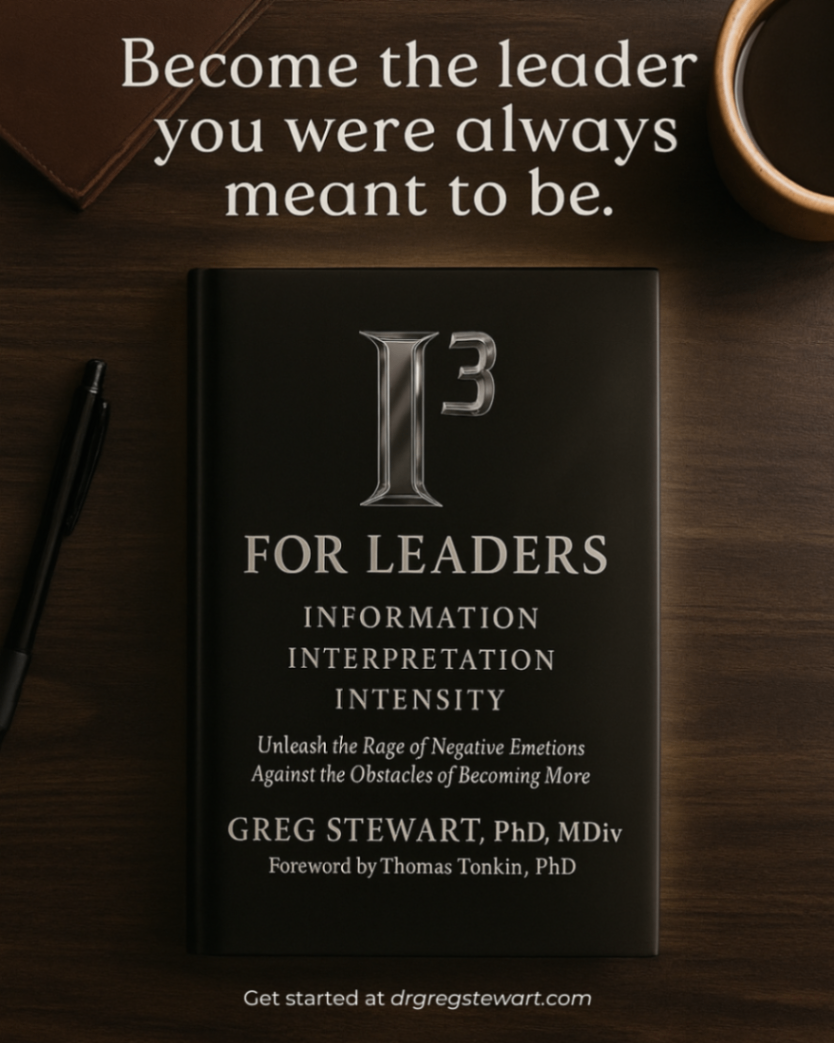
To bridge this gap, Dr. Greg Stewart utilizes the I³ Framework: Information, Interpretation, and Intensity. Without these three pillars, coaching is just a polite conversation that ends the moment the manager walks out the door.
Here are 10 reasons why your current leadership coaching for managers is failing to shift your culture: and how to fix it.
1. You’re Providing Information Without Insight
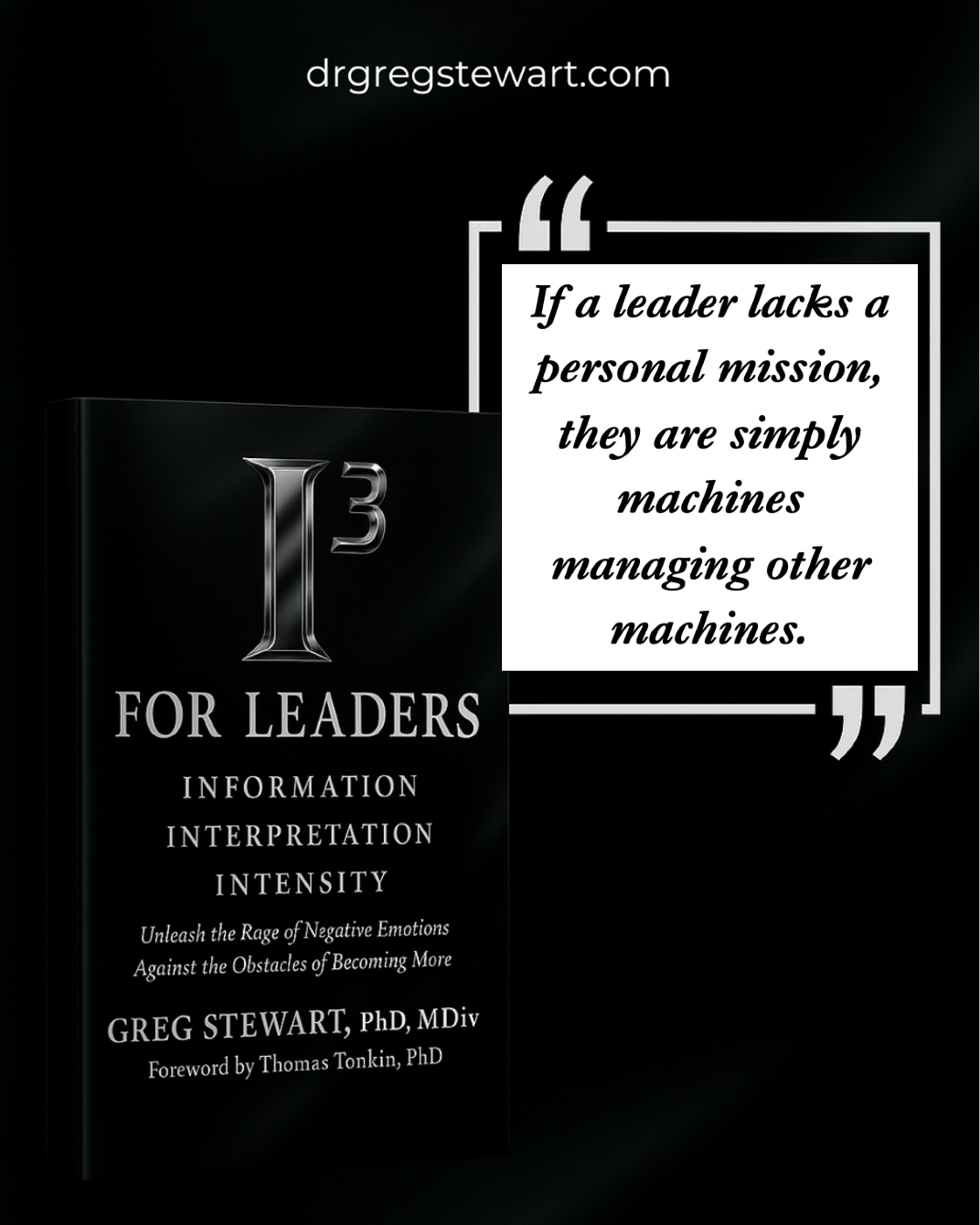
Most coaching programs focus on "Information": the first 'I' in our framework. They teach managers what to do (active listening, conflict resolution, KPI tracking). But as Dr. Greg notes in his book, I³ For Leaders, "If a leader lacks a personal mission, they are simply machines managing other machines."
According to research in the Journal of Applied Psychology, technical knowledge only accounts for a small fraction of leadership success compared to emotional intelligence. If your coaching is just a data dump, your managers are just better-informed machines, not cultural catalysts.
2. The "Interpretation" is Misaligned
The second 'I' is Interpretation. How does a manager interpret a missed deadline? As a personal affront? As a sign of incompetence? Or as an opportunity for growth? If coaching doesn’t address the internal lens through which a manager views their team, no amount of "strategy" will help.
Dr. Greg’s philosophy is clear: internal change must precede external change. If your managers haven't done the hard work of interpreting their own triggers, they will continue to project their insecurities onto the culture.
3. Lack of "Intensity" (The Iron Man Core)
The third 'I' is Intensity. This isn't about yelling; it’s about the emotional drive and discipline to see a transformation through. We often see "Intensity" dampened by a desire for quick hits of dopamine: praise for low-hanging fruit: rather than the "Duty and Discipline" required for long-term cultural health.
As highlighted in a recent Forbes profile of high-growth companies in the DFW area, like those shifting the landscape in the Frisco Silicon Prairie, the leaders who succeed are those who "unleash the rage of their negative emotions against the obstacle of becoming more." They don't shy away from the hard work; they lean into it with intensity.
4. You’re Ignoring the "Worst of Times"
Dr. Greg famously says, "Leadership is defined not by the best of times, but the worst of times." Many coaching programs are "fair-weather" programs. They work when the stock is up and turnover is low. But culture is built in the trenches.
If your coaching doesn't prepare managers to lead through a crisis with Executive Presence, the culture will crumble the moment pressure is applied.

5. Failure to Address "Anger in a Suit"
In our practice, we often say that anger is just fear in a suit. Many managers are coached to suppress their negative emotions to appear "professional." This is a massive mistake.
The I³ framework encourages leaders to acknowledge these emotions and use them as fuel. When managers learn to interpret their fear or frustration correctly, they stop creating a culture of anxiety and start creating one of authenticity.
6. The Coaching is Isolated from the C-Suite
Culture starts at the top, but it lives in the middle. However, if your senior leadership isn't modeling the same Intentionality and Integrity you expect from your managers, the coaching will feel like a "do as I say, not as I do" mandate.
A study cited by Harvard Business Review regarding executive congruence found that leadership development fails when there is a perceived gap between the organization's stated values and the actions of its top-tier executives. You cannot coach a manager to be better than the environment they are forced to work in.
7. Over-Prioritizing Resilience Over Adaptability
We’ve talked before about how adaptability beats resilience. Many coaching programs focus on "bouncing back" (resilience). But a healthy culture needs leaders who "bounce forward" (adaptability).
If your coaching teaches managers to just "endure" a toxic culture, you aren't fixing the culture: you’re just training people to survive it until they eventually burn out and leave.
8. Neglecting the "Great Flattening"
With the rise of AI and organizational restructuring, many managers have lost their traditional "teams" and are now managing processes or cross-functional projects. This is the "Great Flattening."
If your coaching is still based on 2015-style hierarchical management, it’s irrelevant. Modern culture requires a manager to lead through influence and emotional intelligence, not just authority.
9. No Spiritual or Internal "Core" Development
At Becoming More, we reference the "Iron Man Core." This isn't necessarily about religion, but about spiritual and internal development: the center of a leader’s being. If a manager's "core" is empty, they will seek to fill it with external validation, power, or ego.
A manager operating from a place of internal deficit will always create a culture of scarcity. True coaching must address the human edge in an AI world, focusing on the soul of the leader.
10. Lack of Accountability and "Duty Before Dopamine"
Finally, coaching often fails because it’s too "nice." Real growth requires the discipline to choose duty over the immediate dopamine hit of being liked.
If your coaching doesn't involve radical honesty and accountability, it’s just expensive therapy for the workplace. As Dr. Greg writes in I³ For Leaders, leaders must overcome internal obstacles that others only wish they could. This requires a level of discipline that most "off-the-shelf" coaching programs simply don't provide.

Join Our Free Webinar & Transform Your Leadership
Are you ready to stop checking boxes and start moving the needle? We’re hosting a deep-dive session to show you exactly how to implement the I³ framework in your organization.
Free Webinar! March 26th, 12:00-1:00 CT
- Topic: Moving the Culture Needle with I³ Leadership.
- The Big Prize: One lucky attendee will win a $1,000 coaching package for their team!
Don’t miss this chance to learn how to unleash the strength behind your leadership.
[Register for the Webinar Here]
Take the Next Step
If you’re tired of 7 mistakes you’re making with leadership development and are ready for a dynamic, inspirational shift in your company culture, let’s talk.
Whether you need Executive Coaching or a complete overhaul of your Change Management strategy, Dr. Greg Stewart and the team at Becoming More are here to help you become who you were meant to be.
Call 469-485-0387 to schedule a consultation.
Visit us at www.becomingmore.com to explore more about our Counseling and Leadership Blog.